Landmark Trade Agreement Shapes UK-US Pharmaceutical Market
UK Agrees to Increase Healthcare Spending in Exchange for Zero Tariffs on Pharmaceutical Exports to the US
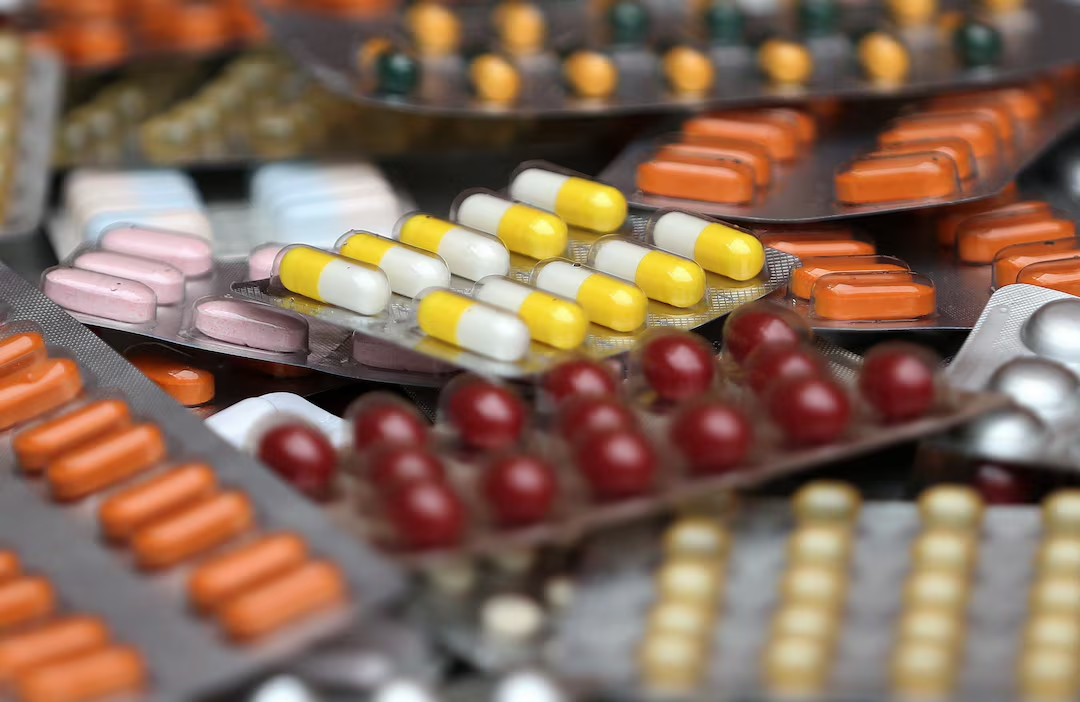
The United Kingdom and the United States have reached a bilateral agreement to maintain zero tariffs on UK pharmaceutical shipments into the US for the next three years. This deal follows threats from the US President to raise import tariffs by up to 100% on branded drug imports, which constitute one of the UK’s largest exports to the US.
UK Commitments and Terms
In exchange for the tariff protection, the UK has agreed to implement significant changes to the National Health Service (NHS) pharmaceutical spending policy, marking the first time the amount paid for medicines is set to increase in over 20 years:
-
Medicine Price Threshold: The UK will increase the price threshold, at which it deems new treatments too expensive for approval, by 25%. This change is expected to lead to the approval of an additional three to five medicines annually.
-
Increased Health Budget: The UK aims to increase the overall NHS spending on medicines from 0.3% of GDP to 0.6% of GDP over the next 10 years.
-
Rebate Cap: The amount drug companies must pay back to the NHS to prevent overspending its allocated budget will be capped at 15% (down from over 20% in the previous year).
This agreement guarantees that UK pharmaceutical exports, valued at least at £5 billion annually, will enter the US tariff-free, protecting jobs and boosting investment.
US Perspective and Context
The US side, represented by the Health Secretary, hailed the agreement as a “historic step” towards ensuring that other developed countries “finally pay their fair share,” while bringing long-overdue balance to US-UK pharmaceutical trade.The US President had previously argued that American consumers subsidize medicines for other developed nations by paying premium prices.
The deal comes amidst mounting pressure following regulatory uncertainty and cost disputes in the UK, which had prompted major pharmaceutical companies to shift focus to the US, resulting in the cancellation or pause of several large UK investments over the past 18 months (including firms like GSK, Merck/MSD, and AstraZeneca).
Reaction and Impact
-
Pharmaceutical Industry (UK and US): Industry representatives expressed satisfaction, calling the deal a “real win” that will promote exports and enhance the UK’s competitiveness as a production and innovation base for medicines. Companies like Bristol Myers Squibb anticipate investing more than $500 million in the UK over the next five years.
-
Financial Analysis (UK): Think tanks raised concerns that the increased spending could cost the NHS an extra £3 billion. They cautioned that this additional cost would need to be fully funded by the Treasury, arguing that the funds might be better invested in areas such as GP services or tackling the hospital backlog rather than new drugs.
The UK government asserted that it is the only country in the world to have secured a zero percent tariff rate for pharmaceutical shipments to the US.